Skip to content
 If you’ve tried creams, facials, or peels and your acne scars still show up in every mirror and photo, you’re not alone. The same goes for fine lines that keep deepening, sun spots that makeup can’t fully cover, rough texture, enlarged pores, and that early “why does my skin look more tired than I feel?” crepey look.
Many Phoenix-area adults are also asking the same practical questions: How much does it hurt? What’s the downtime really like? How many sessions will I need? When do results show up, and how long do they last?
That’s where modern Fractional CO2 laser technology stands out. It’s a results-focused option for people who want visible improvement in texture, tone, and firmness without surgery, especially when the plan is customized and the provider is experienced. At Emily Frost Aesthetics, the goal is simple: set clear expectations, match the settings to your skin goals, and help you plan recovery so it fits real life.
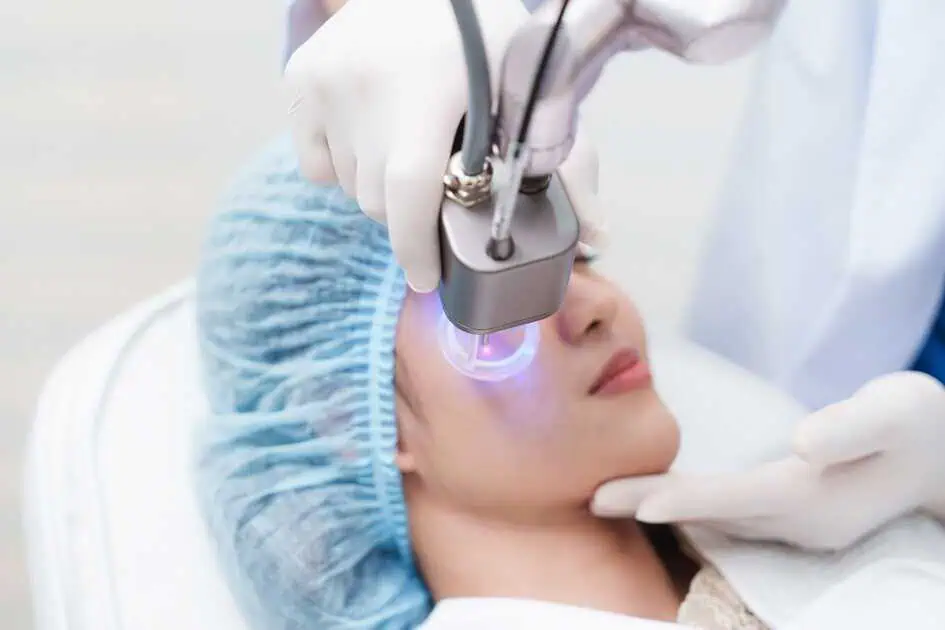
A fractional CO₂ laser is a resurfacing treatment that targets a “fraction” of the skin at a time. Instead of treating the entire surface evenly, it creates tiny treatment zones while leaving surrounding skin intact. That mix targeted treatment plus untouched skin helps the area heal more efficiently while still pushing meaningful collagen remodeling.
Think of it as a controlled reset for skin quality:
Where the “latest advances” come in: today’s devices and treatment approaches allow more flexibility in energy, depth, density, and pattern. That matters because acne scarring, fine lines, and sun damage are distinct issues and shouldn’t be treated the same way.
You might also hear people refer to the service as fractional CO2 skin resurfacing, which is the same concept: resurfacing + collagen-building, customized to the concern and the area being treated.
Fractional CO₂ is popular because the payoff is visible, but it’s also a smart choice because the results can keep improving over time. Here’s what people tend to love most.
If you’ve been consistent with skincare and tried gentler options without seeing real change in texture, scars, or deeper lines, fractional CO2 resurfacing can be the next step because it reaches deeper layers that topical products can’t.
You’ll usually see early improvement as the surface heals, then continued changes as collagen rebuilds. That “slow burn” is a feature, not a bug; your skin is literally remodeling.
Modern protocols can focus on your priority, whether that’s smoother texture, scar softening, tone correction, or tightening. That customization is one of the biggest advances: fewer “one-size” settings, more precision.
Many people choose it because it can address several issues in a single plan: scars + lines + sun damage without stacking a long list of separate treatments.
Here’s how providers often approach different goals. Your exact plan should be based on your skin type, the depth of the concern, and how much downtime you can realistically handle.
For scars, the priority is usually depth control and collagen remodeling. With the right strategy, fractional CO2 for acne scars can help soften edges, improve uneven texture, and make scars less obvious across different lighting conditions (the real test).
If scars are deeper, such as rolling scars or pitted areas, your provider may recommend targeted passes or a series designed for more structural change. That’s why you’ll see people searching for a fractional CO2 laser for deep acne scars when they want a more meaningful shift than what light resurfacing can deliver.
Lines happen for a few reasons: collagen loss, repetitive movement, sun exposure, and thinning skin over time. Fractional CO₂ can smooth surface texture while also improving the “support” underneath. This is where fractional CO2 for wrinkles can make sense for the face, around the mouth, and areas that show early creasing.
Sunspots and patchy tone often occur at different depths. A modern fractional approach can help lift discoloration while improving overall clarity and texture. This is especially helpful if you’re tired of daily coverage of unevenness.
Pores don’t technically “open and close,” but they can look more noticeable when skin is thickened, congested, or lacking firmness. Resurfacing plus collagen rebuilding can make the skin reflect light more evenly, which appears smoother and more refined.
Fractional CO₂ isn’t a facelift, but it can help with early laxity by strengthening collagen. That’s why people look up fractional CO2 for skin tightening when they want firmer-looking skin and a more refreshed contour, especially in areas like the lower face, around the mouth, neck, and chest (depending on candidacy).
“Latest advances” can sound vague, so let’s translate it into what tends to matter to you as the patient.
Modern treatments are often planned around real schedules. There are settings aimed at stronger resurfacing (more visible peeling/redness) and settings that prioritize shorter recovery while still improving texture and tone. Your provider can help you plan your schedule based on work, travel, events, and your comfort level.
Instead of treating your entire face the same way, newer approaches can focus energy where it counts, like the scarred areas, while treating other zones more gently. That can improve results and the recovery experience.
Topical numbing, cooling, and thoughtful pacing can make treatment feel more manageable. You should still expect heat and intensity, but it shouldn’t feel like you’re “white-knuckling” the entire appointment.
Advances aren’t just the device; they’re also the protocol. A strong plan includes skin prep (when appropriate), guidance on products to pause, and a recovery routine that supports healing and protects results.
When people search for fractional CO2 before and after, they’re usually trying to answer two questions: “Will this be worth it?” and “What will I look like during healing?”
A realistic timeline often looks like this:
Results depend on your starting point and your plan. Many people do best with a series, particularly for scars. Your provider should outline how many sessions are likely, what kind of change to expect, and how to time treatments around life.
If scar improvement is your main goal, you may also see the phrase fractional CO2 for scar removal. In practice, most providers aim for scar softening and blending rather than promising that the scar is gone. That expectation keeps the plan honest and helps you measure success accurately.
In Mesa and the greater Phoenix area, demand continues to grow because the lifestyle and climate create real skin concerns: sun exposure, pigmentation, dryness, and premature texture changes.
Fractional CO₂ also fits what many people want now:
For high-intent patients comparing options, the deciding factor is usually trust: credentials, experience, honest expectations, and a plan that feels personalized, not salesy.
Technology matters, but the provider matters more. Settings, technique, skin assessment, and aftercare guidance all influence the experience and the outcome.
If you’re searching for Fractional CO2 in Mesa, AZ, look for a practice that:
The latest approaches to Fractional CO2 laser treatments come down to a few things that matter to patients: more control, more customization, and better recovery planning. When the settings match your concern scars, lines, sun damage, texture, or early laxity, you get clearer results and a smoother healing experience.
If you’re ready for a plan that’s built around your skin goals (and your calendar), it may be time to schedule a consultation. You can learn if you’re a good candidate, what intensity makes sense, and how many sessions are realistic.
To get started, Contact Us and take the next step here: Renew Your Skin Today.